There are plenty of opinions about what makes a good landlord. There are just as many about what makes a good tenant. Ask a property owner, and you'll probably hear about paying rent on time, taking care of the property, and not calling at midnight because a light bulb burned out. Ask a tenant, and you might hear about responsive maintenance, fair treatment, clear communication, and a landlord who actually answers the phone 24/7.
Both sides have a point.
The truth is that a successful landlord-tenant relationship isn't built around one person getting everything they want. It's built on mutual respect, reasonable expectations, clear communication, and a shared understanding that both parties have responsibilities.
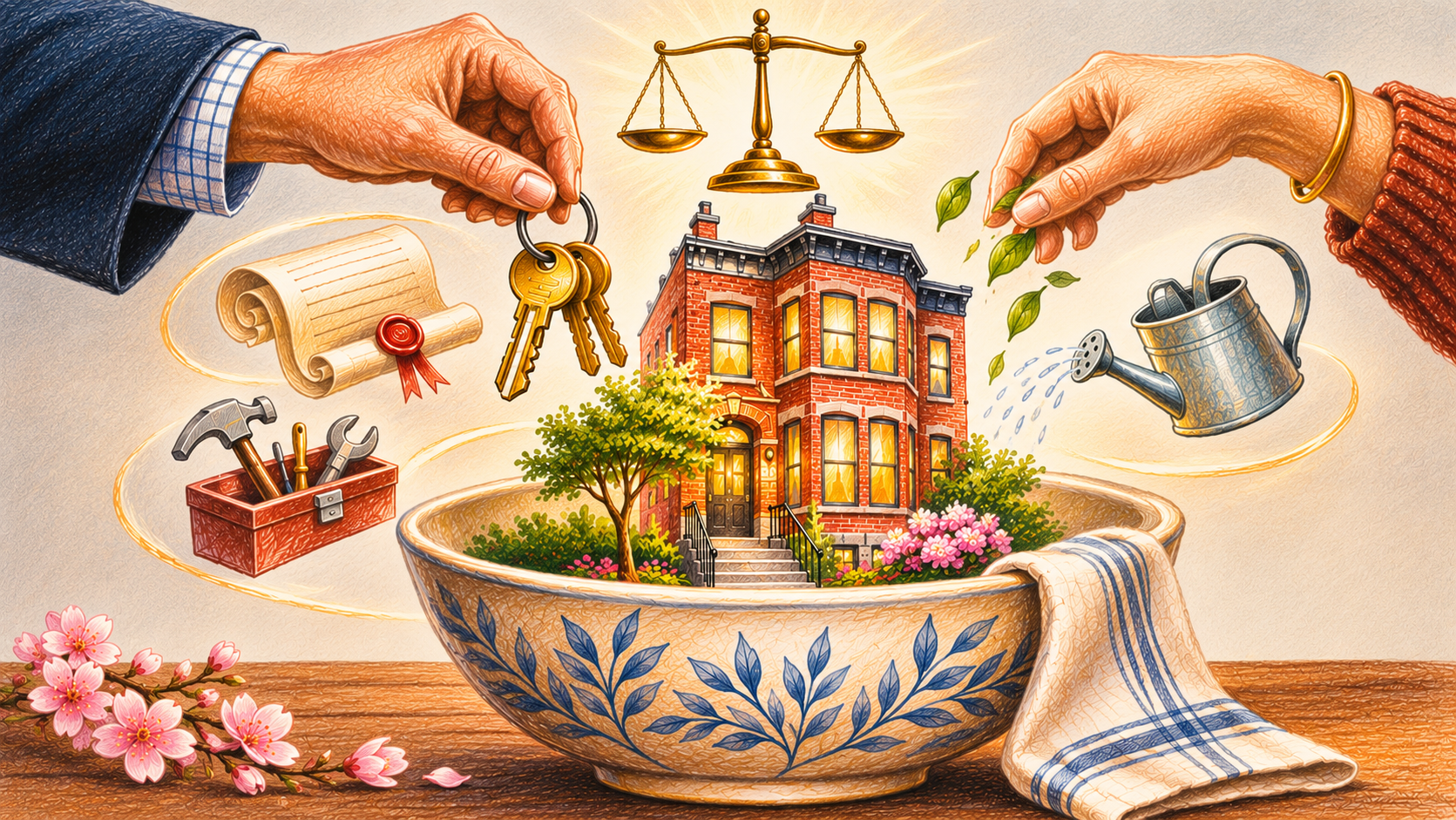
Think of it like a recipe. You can start with a beautiful property, a qualified tenant, and a well-written lease, but those ingredients alone don't guarantee a successful rental experience. It takes a little preparation, some attention to detail, and consistent effort from everyone involved.
And, just like any good recipe, leaving out an important ingredient can change the entire outcome.
So, what's the recipe for success?
1. Start With the Right Ingredients: Set Expectations From Day One
A successful relationship often starts well before the lease is signed.
For landlords, that means taking the time to properly prepare and market the property, establish reasonable rental terms, screen prospective tenants, and make sure the home is ready for someone to live in. It also means being realistic about the type of tenant they're looking for and the responsibilities that come with owning rental property.
For tenants, it means being equally thoughtful. Understand the property, review the lease, ask questions, disclose relevant information, and make sure the home and the rental terms are a good fit for your needs.
One of the biggest sources of conflict is a mismatch between expectations and reality.
A landlord may expect a tenant to report maintenance issues immediately, while a tenant may assume that something minor can wait. An owner may believe the tenant understands the rules about pets, parking, or lawn care, while the tenant may not have fully appreciated what was included in the lease.
These misunderstandings are often avoidable.
The lease is more than a document to sign and file away. It's the foundation of the relationship. Both parties should understand what it says, what it requires, and what happens when something doesn't go according to plan.
A little time spent establishing expectations at the beginning can save a tremendous amount of frustration later.
2. Communication Is the Secret Sauce
If there's one ingredient that consistently separates successful rental relationships from unsuccessful ones, it's communication.
And communication doesn't necessarily mean talking more. It means communicating clearly, appropriately, and at the right time.
Landlords should establish how tenants can reach them, how maintenance requests should be submitted, what constitutes an emergency, and what response times tenants can reasonably expect.
Tenants, in turn, should communicate when something needs attention, when circumstances change, or when they have questions about their responsibilities.
A small maintenance concern that is reported early can often be addressed before it becomes a much larger and more expensive problem. A minor misunderstanding about a lease provision can be resolved with a quick conversation before it turns into an argument.
Unfortunately, too many rental disputes start with something relatively simple that wasn't communicated properly.
A tenant notices the caulk coming undone in the shower but assumes it's insignificant. An owner doesn't know about it until there's damage to the ceiling below. A landlord sends a notice that a tenant interprets as a personal criticism. A tenant sends an emotional text message when a simple, factual maintenance request would have been more productive.
The lesson is simple: Don't make the other party guess.
Landlords shouldn't expect tenants to read their minds, and tenants shouldn't expect landlords to know about problems they haven't reported.
Communication also means being professional. Not every conversation will be pleasant, and not every request will result in the answer someone wants. But a respectful response goes a long way toward maintaining a productive relationship.
3. Respect the Property, and Respect the People Living in It
A rental property is an investment for the owner, but it's someone's home.
That distinction matters.
Landlords should remember that tenants aren't simply occupying an asset on a balance sheet. They're living their everyday lives in the property. They have families, schedules, work commitments, personal space, and a reasonable expectation of privacy and quiet enjoyment.
That means respecting applicable notice requirements, following the lease and the law when arranging access, and recognizing that maintenance visits, inspections, and showings should be coordinated appropriately.
A landlord's ownership of the property doesn't mean unlimited access to it.
At the same time, tenants should recognize that the property belongs to someone else. It's not unreasonable for an owner to expect the home to be maintained in a reasonably clean and orderly condition, used for its intended purpose, and protected from unnecessary damage.
That means taking care of the basics: disposing of trash properly, keeping the home reasonably clean, preventing avoidable damage, reporting leaks or other concerns, and following the agreed-upon responsibilities for the property.
It also means understanding the difference between normal wear and tear and damage caused by neglect or misuse.
Neither party should approach the relationship with an attitude of entitlement. Owners have invested in the property, and tenants have invested in making it their home. Both interests deserve consideration.
4. Maintenance Is a Shared Responsibility
Few subjects create more tension in a rental relationship than maintenance.
Owners sometimes believe tenants should be more proactive about caring for the property. Tenants sometimes believe landlords should handle absolutely everything.
Neither extreme is particularly helpful.
Landlords have legal and contractual responsibilities to maintain rental properties, address habitability concerns, and respond appropriately to maintenance requests. Those obligations aren't optional simply because a tenant is generally responsible for taking care of the home.
A good landlord doesn't ignore a maintenance request, delay necessary repairs without a reasonable explanation, or assume a problem will somehow resolve itself.
But tenants also have an important role.
They should promptly report maintenance concerns, take reasonable steps to prevent additional damage, follow instructions for basic care, and avoid attempting unauthorized repairs or modifications that could make a problem worse.
For example, a tenant who notices water beneath a kitchen sink shouldn't wait three weeks to report it. Turning off the water supply, when appropriate, and notifying the landlord or property manager can prevent a relatively inexpensive repair from becoming a much bigger problem.
Likewise, a landlord shouldn't dismiss a tenant's concern simply because it doesn't appear urgent at first glance.
The best approach is to treat maintenance as a shared responsibility, with clearly defined obligations.
Owners remain responsible for the property and the repairs required of them. Tenants are responsible for reporting problems and fulfilling the care obligations established by the lease.
When both sides understand their roles, maintenance becomes a process rather than a point of contention.
5. Pay on Time, Be Responsive, and Follow Through
This one sounds obvious, but it deserves its own place in the recipe.
For landlords, rental income is often an important part of their financial planning. They may have mortgage payments, insurance, property taxes, association dues, utilities, and other expenses that don't stop simply because rent hasn't arrived.
Paying rent on time is one of the most important responsibilities a tenant has.
If a tenant anticipates difficulty making a payment, communicating early is far better than avoiding the situation and hoping it goes away. Silence rarely improves the circumstances.
Landlords should also be consistent. They should provide accurate payment instructions, maintain clear records, and follow the lease and applicable laws when addressing late payments or other financial matters.
But responsiveness goes beyond rent.
Tenants should respond to legitimate communications from their landlord or property manager, acknowledge notices, coordinate access for necessary repairs, and follow through on agreed-upon arrangements.
Landlords should do the same. If a tenant is told that a contractor will arrive Tuesday, there should be a reasonable effort to make that happen or communicate when plans change.
Reliability builds trust. And trust is one of the most valuable assets in any rental relationship.
6. Put It in Writing: A Good Lease Protects Everyone
A handshake and a friendly conversation may get things started, but they're not a substitute for a properly prepared lease.
A comprehensive lease establishes the rules of the relationship. It outlines rent, security deposits, maintenance responsibilities, occupancy, pets, utilities, property access, renewal terms, and what happens when either party fails to meet their obligations.
More importantly, it gives everyone a common reference point when questions arise.
A good lease shouldn't be viewed as something designed to protect only the landlord. It protects tenants, too.
Tenants deserve to know what they're agreeing to, what they can expect from the owner, and what rights they have under applicable law. Landlords deserve to have their expectations and property protections clearly documented.
And here's an important point: The lease isn't a substitute for the law.
State and local landlord-tenant requirements may establish obligations and protections that cannot simply be waived through a lease provision. Both parties should understand that their relationship operates within the framework of applicable laws and regulations.
When questions arise, it's better to address them using the lease and appropriate professional guidance than to rely on assumptions, internet advice, or what someone remembers from a rental experience ten years ago.
7. Practice a Little Patience and Perspective
Not every issue is an emergency. Not every inconvenience is a crisis. And not every disagreement needs to become a battle.
Sometimes a contractor is delayed. Sometimes a tenant needs clarification. Sometimes an owner is waiting for an insurance company, association, or municipality to respond. Sometimes a tenant makes an honest mistake.
A little perspective can make a significant difference.
That doesn't mean ignoring legitimate concerns, overlooking lease violations, or tolerating repeated failures to meet responsibilities. It means recognizing that people are involved, circumstances aren't always predictable, and a reasonable amount of flexibility can help resolve problems.
Landlords should remember that a tenant who feels respected and treated fairly is more likely to communicate openly and take pride in the home.
Tenants should remember that landlords aren't necessarily sitting around waiting for something to go wrong. Many are managing their own jobs, families, financial obligations, and responsibilities outside the rental property.
Assuming good intentions, at least initially, is often a better starting point than assuming the worst.
8. Know When to Bring in a Professional
Sometimes, the best ingredient is knowing when you're not the right person to handle something.
A landlord may be perfectly capable of owning a rental property but may not have the time, experience, or desire to handle tenant communications, coordinate contractors, understand changing regulations, track financials, and manage the day-to-day responsibilities.
Likewise, tenants may be more comfortable communicating through a professional property manager who can provide consistent answers, document requests, and coordinate the appropriate response.
A professional property manager can serve as the middle ingredient that helps bring everything together.
They establish processes, maintain records, coordinate maintenance, communicate expectations, and help ensure that both parties understand their responsibilities. They also provide a level of consistency that can be difficult to achieve when an owner is managing everything independently.
Of course, a property manager isn't a substitute for a good landlord or a responsible tenant. But they can help establish the structure that makes a successful relationship much more likely.
And sometimes, having a neutral third party involved can prevent a relatively minor disagreement from becoming personal.
9. Remember That the Relationship Works Both Ways
Perhaps the most important ingredient is recognizing that a successful rental relationship requires effort from both sides.
Landlords shouldn't view tenants as simply a source of income. Tenants shouldn't view landlords as an unlimited source of services.
Owners deserve rent paid in accordance with the lease, reasonable care of their property, and cooperation with legitimate requests.
Tenants deserve a safe and habitable home, appropriate maintenance, privacy, fair treatment, and a landlord who fulfills their legal and contractual obligations.
Neither side should expect perfection. But both should expect accountability.
When a landlord is responsive, communicates clearly, maintains the property, and treats tenants professionally, it creates an environment where good tenants are more likely to stay.
When tenants pay on time, respect the property, communicate concerns, and follow their lease obligations, it creates an environment where owners are more likely to have confidence in the arrangement.
It's a relationship that benefits everyone when it works well.
The Final Recipe: A Little Common Sense Goes a Long Way
So, what's the recipe for a successful landlord-tenant relationship?
Start with the right expectations. Add a healthy amount of communication. Mix in mutual respect, accountability, and a willingness to follow through. Make sure everyone understands the lease and their responsibilities. Address maintenance concerns promptly. And, perhaps most importantly, don't forget to treat the other person the way you'd like to be treated.
It isn't particularly complicated, but it does require consistency.
For landlords, remember that you're not just renting out a property; you're providing someone with a place to call home. For tenants, remember that you're not just renting a home; you're entering into an agreement that carries responsibilities and obligations.
The best rental relationships aren't necessarily the ones without problems. They're the ones where problems are addressed professionally, expectations are understood, and both parties are willing to work toward a reasonable solution.
At EJF Rentals, we believe that successful property management starts with recognizing that there are two sides to every rental relationship. Our job is to help bring those interests together, establish clear expectations, and create an experience where owners can feel confident about their investment and tenants can feel comfortable calling their rental property home.
Because at the end of the day, a successful rental relationship shouldn't be a landlord versus tenant situation.
It should be a partnership built on respect, responsibility, and a little common sense.
And that's a recipe worth following.